
 I wrote this piece for my weekly column. It was originally published in the Big Sandy Mountaineer in June of 2015.
One of the worst sins I’ve ever committed was actually committed over several years. During my early years working in ministry, I pretended to be perfect. When I left for work every day, I put on my “perfect Christian” mask. I hid any struggle with sin, temptation, and anger. I made excuses and ignored my own shortcomings. Eventually, I stopped talking openly with anyone about anything that might look un-Christian in my life. When I taught, the only sins I ever acknowledged were innocuous, like driving too fast, which is an imperfection of mine that’s well known to any reader of this paper’s traffic ticket listings. I believed that perfection was expected of minsters, and because I wasn’t perfect, I faked it. It may seem excessive to identify this as a terrible sin, but it is because it is a denial of the central message of Christianity: that all people sin and need forgiveness. Pretending to be perfect is self-deceiving and denies our need for God. Beyond distancing us from God, it also drives others away from Him, either because they see our hypocrisy or they see being “good enough” as unattainable.
The saddest misconception about Christianity that drives folks away from knowing God exists primarily amongst Christians: the myth of perfection. Whereas the previous columns in this series have largely addressed those who walk away from God in frustration/hurt, this week will primarily address folks in the church who believe this falsehood.
Believing we are, or ought to be, perfect is spiritual poison. When we look at the life of Jesus, there is no-one that he strikes out against more vehemently than religious folks, specifically the Pharisees, who couldn’t see or confess their own failings. Most were so convinced of their own perfection that they couldn’t ask for forgiveness because they didn’t believe they needed it. They lived for the praise of others, thrived on comparing themselves to “sinners”, and constantly bragged of their righteousness. This puffing up results in blindness to the seriousness of our own sins.
False perfection is also poisonous to relationships. Maintaining the illusion of perfection keeps us from confessing or seeking help. While living this way, I often wished I could talk about my struggles, but wouldn’t do so because I did’t want anyone to know how imperfect I am. Hiding secrets isolates us. Conversely, openness and accountability knits us together in community, because calling on each other in times of need teaches trust and interdependence.
The most profound lesson I learned from being open happened when I talked openly about struggling with sin while teaching one day. A young man approached me afterward, tearfully opening up about his own struggles. He thanked me for being honest, because he too had been hiding everything for fear of being condemned by others. Being vulnerable provides a safe environment for others to be vulnerable. The most common response I hear to openness about my own imperfection is appreciation for being real and human.
Living life- honestly acknowledging our imperfection- is risky. It’s possible that others will judge or ostracize you for being a sinner. I discussed with a friend how tempting it is to want other Christians to be human, but not too human. It’s easy to succumb to the temptation to believe that God should forgive our brand of sin, but not the sin of others. This is the power of acknowledging our imperfection/dependance on God’s forgiveness. It emphasizes God’s mercy, rather than our self-righteousness. This makes judging others harder to justify. Awareness of our dependance helps us empathize with others in the same predicament.



 I am a magnet for bad habits and addictions. I know I am not alone in this. I have spoken to scores of men who have developed unwanted patterns in their work, relationships, stress management, and leisure. Part of what puzzled me about my habits over the years is that many of them are things I don’t really want to do, but it seemed like my mind would shift into automatic pilot time and again, allowing me to live out some impulse that I’d just as soon avoid. The following is a newspaper column I wrote looking at brain functions and why they make habitual behaviors so difficult to break.
 This week’s sermon is the first in the summer series on the book of Judges. The audio did not pick up the first two minutes of the message… here is the basic introduction:
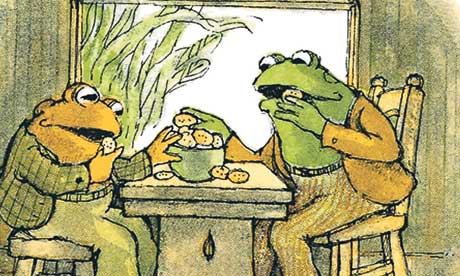 One of my favorite stories to read my daughter at bedtime is from The Adventures of Frog and Toad. In the story, Toad bakes a batch of cookies. He and Frog discover that they cannot stop eating the cookies because they are too delicious. They begin to devise ways to prevent themselves from eating the cookies by making it more difficult to give in to temptation. Frog called it: “Building up willpower.” They quickly discovered that if they wanted to eat the cookies badly enough they would find a way around obstacles. Eventually, Frog throws away all the cookies and proclaims: “we have lots and lots of willpower.” To which Toad responds: “You may keep it all, Frog, I am going home now to bake a cake.” It’s a funny story with an interesting point. The problem wasn’t the cookies, the problem was that they wanted the cookies more than they wanted to not eat them. The book of James touches on this idea when it addresses the things that are in our lives that cause temptation. It’s easy to blame God for giving us such temptations. However, temptation starts in us and are a product of our fallenness. In Romans Paul describes how the sin living in us seizes upon the law of God as a standard to rebel against. Sin drives us to do things we hate. He describes sin and the ensuing temptation as powerful and ruling over our bodies. As a result of this powerful force within us, even if the things we want are not in front of us, if we want them badly enough, we will go looking for them. Mind you, it is not the case that desire itself is bad. Desire is natural. Desire for food, pleasure, leisure, security, relationships, being right, or anything else are simply a part of how people are designed. Desire becomes destructive when it loses all checks and begins to cause damage. It can be seen in decisions made simply based on a desire with no concern for inevitable consequences and what is right or wrong. A common example is carelessly spoken words that are regretted the moment they are spoken. Other examples include extramarital affairs, the seemingly iron grip that pornography seems to have over the lives of many men, addictions, eating disorders, spending problems, etc. These typically involve normally healthy desires that become distorted and get out of control. James describes this as being dragged away by our own lusts. Ultimately, it’s important to recognize that the source of the problem is within us.

 We think it’s a bigger favor than it actually is. There are some things we do that seem like a big deal to us. These are things that she sees as something we should have been doing all along or something that isn’t that important to her. It makes more sense to understand what she is impressed by, wants you to do, or would be meaningful to her, and then do those things. It’s easy to figure out what to do. Just watching what she reacts to or just asking her will tell you most of what you need to know. Also, a single nice act is one thing and will likely be something she appreciates. However, a real impact can be made by putting effort into doing things for her regularly. There is a cumulative effect. A thousand small acts of service, performed over the course of months, will mean more than one huge one standing on its own.
 We do it half-heartedly. Do the things you do for her as best you can do them. If you can, do them without her asking. Definitely do them without her having to nag you. Your effort and you thinking about her is what makes your actions meaningful. Don’t do a bad job and don’t procrastinate.
 Patching Cracks