

This article was originally published in the Big Sandy Mountaineer 9/9/15.
There was a large wooded park with a lake behind the house my family lived in while I was attending high school. During the four years we lived in that home, my siblings and I frequently spent hours wandering through the woods around that lake. When we did, we usually walked along the trails and paths, because it was easier. Occasionally, I remember straying from the well-worn paths and crashing through the brush. This usually took longer and resulted in scratches, scrapes, and swearing to yourself that you’d stick to the path next time. The reason is obvious: well-worn pathways are easier to travel. There is a similar phenomena that takes place within the human brain. We all have a portion of our brain that controls motor functions and handles our actions/reactions during times of stress, often referred to as fight-or-flight moments. In moments when thinking isn’t possible and the body needs to act quickly, our actions will tend to follow the “well-worn paths” that exist within our brains. This is why athletes and soldiers practice the same movements over and over in training, to prepare them to act without thinking. It sometimes leads to strange behaviors under pressure. I recently read about soldiers collecting spent cartridges in combat, mimicking their repeated behavior on the shooting range. It’s a terrible decision to collect brass while being shot at, but the point is that it isn’t a decision. It’s rehearsed behavior. This is an extraordinary example, but there are far more common ones, like when a person reaches for a cigarette or drink without thinking – especially during times of stress. There’s a part of the brain that knows that a drink or a smoke helps manage stress, which makes this an easy pathway to develop in our brains.
A far more common example of this is seen in bad habits, particularly communication and coping habits that folks develop in their relationships. We learn to fight certain ways, and breaking those habits is difficult because it’s what we’ve memorized through repeated practice. We know our arguing strategies or our escape plans and go to them almost instinctively. Married couples often find themselves having arguments that follow the same course as every previous argument they’ve had over the last several years. Husbands sometimes respond to arguing by shutting down and running for the safety of the tv, late work days, or just hanging out in the garage. Wives learn to argue as effectively as possible or to hide out by focusing on the kids or some other part of life other than their spouse. The pattern repeats and repeats, even when it doesn’t make sense anymore or when both parties realize and acknowledge that it’s making them miserable. This is largely because they have found a pathway in their brains that works, even if it doesn’t. This easy path becomes the “go to” rut that they get stuck in, largely because it is practiced and repeated so often. Changing these trained behaviors can be terribly difficult, as anyone who has ever tried to break a bad habit knows. Success can frequently be short-circuited by new stress or frustration, which sends the individual running back to the old behavior. The last few installments of this column have looked at poor communication habits that develop in marriage. Part of what makes these habits so very difficult to break is that developed pathway. We learn them and they stay learned until we unlearn them. Unlearning involves an intentional effort to change our attitude and that couples work as a team in changing the relationship patterns. Only by intentional working together, sometimes with the assistance of a counselor, (or by an act of God) are most of well-worn pathways replaced with new healthier ones. The first step is always to acknowledge the problem and choose to work toward overcoming the habit.

 There’s a saying that originated in AA: You are only as sick as your secrets. The more an addict hides their sickness, the worse it will become. Without outside assistance, recovery is nearly impossible. This is particularly the case with pornography addiction. Recovery from pornography addiction comes with some significant hurdles to beginning and sustaining recovery. Perhaps the biggest challenge in beginning the pr ocess of recovery is overcoming the shame associated with the addiction. This is particularly the case because of the social stigma accompanying sexual problems. This stigma and its bedfellow, shame, keep pornography addicts hiding in the darkness, often knowing that they need help, but unwilling to seek it out of fear of the judgement of others. This is particularly the case for married addicts, who risk losing their spouse by coming clean about their problem. The secretiveness makes recovery nearly impossible because of the nature of addiction. Simply put, addiction is a disease in which the stimulus reward process in the brain begins to dominate the addict’s behavior. The process reaches a point where the addict simply cannot stop using. In fact, one of the diagnostic criteria for addiction is repeated, failed attempts to control using. Pornography addicts may do this by deciding to quit using altogether, only to start again later. They may also try to come up with artificial ways of limiting their pornography consumption or the time spent searching for or looking at porn. These efforts inevitably fail. Secrecy eliminates the support essential to the recovery process for the following reasons: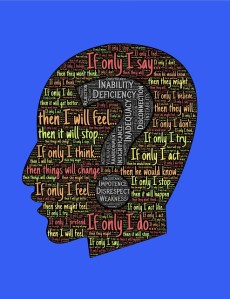
 One of the major difficulties with opening up about pornography addiction is finding appropriate people to begin talking with. Ministers or counselors are a decent place to start. Both are common in most communities. I also recommend Samson and the Pirate Monks by Nate Larkin or through the associated website:
  There is an important principal in this. Comfort, a sense of meaning, and purpose for difficulty in relation to hard circumstances in our past can be discovered by recognizing God’s refining us through the pain we experienced, reflecting on the good it produced in us, and reflecting on how our experiences have shaped us into the person that we are. Doing so requires that we learn to take a different point of view in relation to our past. This can be terribly difficult, because hardship often creates bitterness, which tends to blind us to anything positive that may come of unfortunate incidents. It can also be hard because it’s easy to confuse finding positive outcomes with being glad a bad thing happened. We don’t have to be happy that tragedy has been present in our lives in order to recognize how hardship has shaped us. We can be thankful for what we have become without having joy at what made us the way we are. Learning to shift our perspective in relation to past pain can bring great comfort and release. As difficult as it is, it becomes easier to shift our perspective the further displaced we are from the events. This is often the first step toward healing.
 It’s easy to understand how alcohol or cocaine are addictive substances, but when it comes to pornography addiction understanding the issues involved can be more difficult for a variety of reasons. For starters, discovering a hidden pornography habit can result in significant feelings of betrayal for a wife and can make understanding the addiction component very difficult. In addition, pornography use carries some stigma, which clouds perspective and makes understanding the addiction more difficult. However, pornography addiction is a real illness, it’s diagnosable, and it’s treatable. Looking at pornography produces similar brain functions that take place with using cocaine. It is highly addictive for the same reasons as any other drug. This is not to excuse the betrayal of a spouse or anything of the sort. Rather, it is to say that an individual can develop an illness, which prevents them from quitting the behavior. Let there be no mistake, addicts cannot stop a behavior on their own. Denial, thinking errors, shame, and an out-of-control reward response system in their brains literally result in the addictive patterns becoming compulsive.
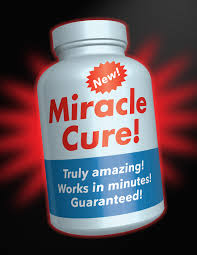 Figuring out if your solution to a problem is miracle thinking is difficult, and usually requires an outside opinion to help assess the thought. Outside feedback should come from a person who will be forward and honest enough to explain whether or not a planned solution is realistic or likely to pan out. In addition, the individual ought to have a history of making healthy choices. This sort of evaluation is especially important if an individual is dealing with an issue that is particularly difficult or if you recognize a pattern of drastic solutions that simply don’t work out.
 his afternoon, I was sitting in the pharmacy in town reading. Something that I read, which was minor and not offensive, triggered an anxiety attack. Anyone who has ever had an anxiety attack can attest that they are no picnic. Typically, mine begin with my heart racing, my chest tightening, my brain shifting into high gear, jaws clenching shut, and my breath shortening. Sometimes these anxiety attacks pass quickly, but sometimes they leave me agitated for hours. I don’t have these attacks often, perhaps once a month or less, though in the past I’ve had them daily. Most folks I know who experience them recognize them as a little slice of hell.
 Recognizing that anxiety is not the same thing as being crazy. The stigma associated with these sorts of issues can often be the biggest challenge that prevents you from dealing with the issue. Anxiety is not craziness. Anxiety attacks can be connecting to a handful of things. Often they are connected with the fight or flight mechanism in your brain. Certain stimuli become associated with the fear/fight or flight response and trigger it. That’s all. It’s actually a natural defense mechanism that part of your brain employs to protect you from danger. It’s just sometimes that mechanism is terribly inconvenient.
 Diet: I have read that decreasing caffeine consumption can decrease frequency of anxiety issues. I’m not sure if giving up coffee would be worse than the attacks, so I have’t tried. I take fish oil pills, which research suggests can help reduce anxiety and encourages the production of serotonin.
 Denial is the component of addiction that is actually fatal. This seems counterintuitive, because addiction typically features all sorts of destructive patterns and practices that seem to the part of addiction that kills you, but the reality is that what kills the addict is the inability to recognize the severity of the situation.
 way, which demonstrates that their brains learned to associate the ringing of bells with eating even when there was no food present. Human brains have the same tendency. We learn to associate stimuli with certain feelings or having needs met. As the behavior is learned, they develop ingrained patterns, which become become compulsive. Understanding classical conditioning is an important first step to grasping how addiction works in human beings.
 o quit, but when they get into certain situations their stimulus-response takes over and they become like passengers in their own bodies, watching passively as they act out their learned behavior. This is because the mechanism of addiction happens in the “old brain”, where things like fight or flight take place. This is the portion of the brain that takes over when thought isn’t the best response to a situation, like with fight or flight responses. It has the ability to take over the body and force the person to behave in predetermined ways. This is the same sort of thing that soldiers train to achieve. When combat happens, thinking turns off and the training kicks in. Addicts are similar, except that their training has been unhealthy and is now destructive.
 Patching Cracks