
 While watching my kids play at the park yesterday, my daughter came running to me from under play structure, crying and rubbing her forehead. She had bumped her head on the underside of of the fire engine jungle gym. A hug, a kiss on the forehead, and and a few comforting words later, she was running around again. The most natural response to my little girl’s feeling pain, is offering comfort and doing the best I can to make it better. This is a natural response for parents. Protecting our children is programmed into our DNA. The most natural thing in the world is to hurt when our kids hurt and to try to fix it. Unfortunately, as time goes on, this instinct can get in the way of healthy development into adulthood. There are times when parents need to reign in their instinct and allow their children to struggle or hurt sometimes because its whats best for them.
There is a great line in in Proverbs:
Whoever spares the rod hates their children, but the one who loves their children is careful to discipline them.
Proverbs 13:24
Many folks read this as a direction to spank their kids. While this may be the case, disciplining your child includes far more than just spanking. Discipline is a wide ranging concept that is downright difficult for parents to follow through with, largely because it runs totally contrary to our inborn parental drive to protect and comfort. Here are four difficult forms of discipline every child needs, but parents are often reluctant to provide:
Natural consequences– Natural consequences are the natural, expected outcome of poor decision making. For example, if a child waits until the night before a project is due before they start working on it, 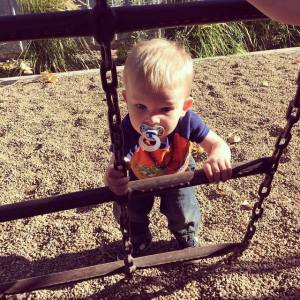 then the natural consequence is a poor grade. All too often, parents see their child panicked the day before, and bail them out. At times this involves doing the work for them or calling them in sick for school the next day. These situations are teachable opportunities. Parents must decide if they will teach their child that someone else will always be there to bail them out, or if they will learn the hard lesson: “If you don’t do the work, you will fail.” This is one example, but of a huge area of teaching. If you watch people long enough, you will witness parents who attack teachers because their kids aren’t getting A’s, or demanding their kid gets to play a starting position on the soccer team, or any other situation where a parent shields their child from the consequences of their actions or failures. I’m not saying that helping your kid deal with consequences isn’t okay sometimes. Rather, I am saying that protecting them from everything teaches them to be sheltered.
Let them struggle– My little girl’s theme song right now is: “I need some help to do that.” It almost always starts playing when I ask her to do something she finds distasteful, like finishing lunch or cleaning up her toys. There are other times she tries to do things that she is just too small or young to do easily. In most instances it’s easier or seems more compassionate to help. I want her to think I will help her and take care of her. However, sometimes she needs to struggle in order to build perseverance and tenacity. If quitting is always an acceptable option, then queen she doesn’t want to do things, she’ll quit. Sometimes she needs to struggle through something difficult on her own in order to understand that the sweetest victories in life are the hard fought victories. One day my son will probably have to punch a bully in the nose. My daughter will need to practice piano for an hour a day to learn to play. Letting them face these hard situations and struggle through them creates character.
Let them fail- Our culture doesn’t seem to like letting kids lose or experience sad feelings. This has spawned sports leagues that don’t keep score and situations where kids are guaranteed success. How we deal with failure is easily as important as how we deal with success. Learning to fail and keep trying is very important, largely because there is little that can be accomplished in life without failing. Parents sometimes need to back up and let their kids fail. Its hard and heartbreaking, but its an important life lesson.
Praise their effort not their existence- I’m going to admit that this is really hard for me. I spend all kinds of time talking to my kids, and really love how they react to praise. The problem with this is that praise can train the wrong lessons into kids. We want them to feel good about themselves and be confident, but praise for things that are handed to them or not earned teaches them that they are great just for being. A far stronger lesson is praising them for the work they put in. If a child learns that their hard work is worthy and good, they will work hard. If they are perfect just for getting out of bed in the morning, they’ll expect praise for getting out of bed in the morning. Praising is good, it can reinforce behaviors. It must be used properly to be effective.
 I pray that they become people of integrity – who courageously live their lives based on their beliefs. I want my son and daughter to do great things and live their lives in ways that inspire others to greatness. Truth be told, I doubt my kids will ever fight villains, but as we grow up and put more simplified versions of the world away, we come to recognize that real heroes often do far more ordinary things – everyday – for the duration of their lives.
 Patching Cracks